STREAM WITH HART
STREAM WITH HART

serving as your new feed for living an empowered life
A For You Page reimagined
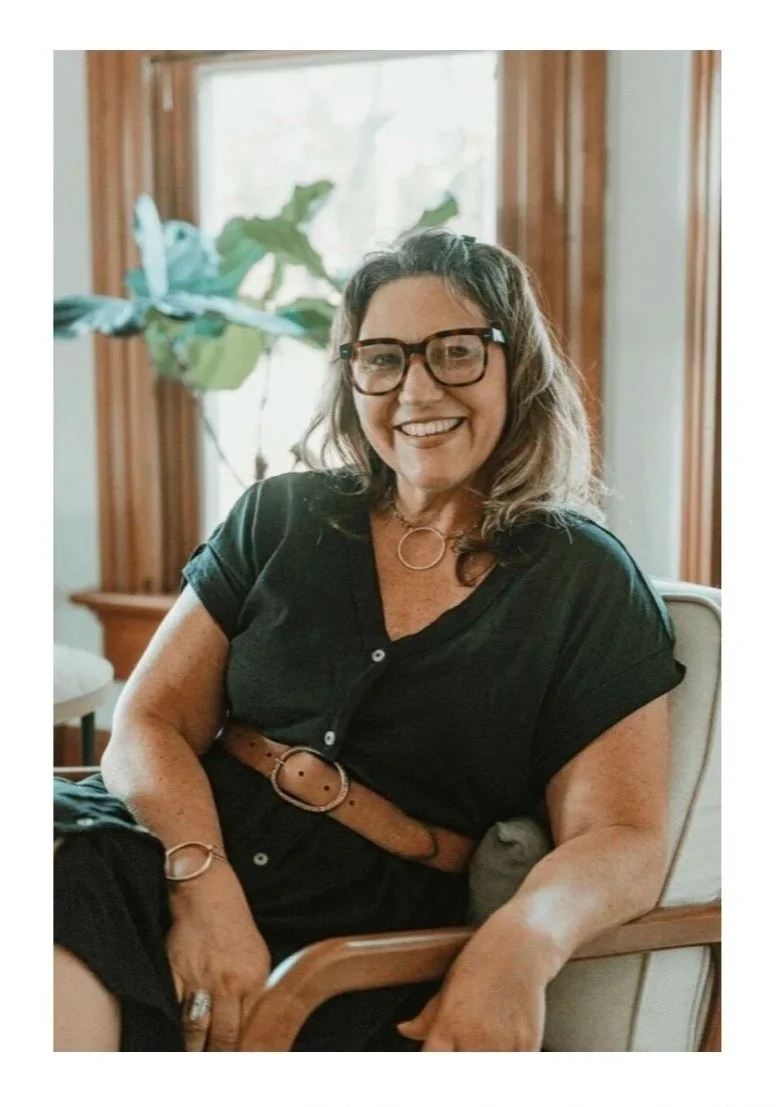
Stream with Hart is a personal blog by Elle Hart, sharing perspectives on relationships, human behavior, self-understanding, and navigating everyday life with greater awareness and intention.
“Welcome to my alternative to social media: no politics, no pressure, no sales pitches.
Simply a place to scroll content intentionally designed with ease, good energy and everyday empowerment in mind.
I will be sharing my own thoughts, experiences and insights along with a variety of resources that I find of value.
I’d love for you to follow along and make this space part of your routine. Bookmark the page, sign up for occasional notifications so you don’t miss what’s new, and feel free to connect with me directly anytime. This stream is here to support you.”
November 2026 - October 2026 - September 2026 - August 2026 - July 2026 - June 2026 - May 2026 - April 2026 - March 2026 - February 2026 - January 2026 - December 2025 - November 2025 - October 2025 - September 2025 - From the Vault
11/17/2026
Your Health, Your Process: Finding What Works For You

We all want to feel good, but we don't all approach our health and wellness the same way. Some of us research everything, question recommendations, and explore possibilities. Others prefer clear guidance, established routines, and trusted expertise. Some thrive on structure and consistency, while others need flexibility and variety.
In this episode of Make It Make Sense, I'm exploring how our natural personal process influences the way we think about our health, make decisions, develop habits, respond to setbacks, and care for ourselves.
This topic is particularly personal to me. After years of dealing with health challenges, I know what it's like to feel like a victim to my own body, as though what was happening to me was beyond my control. But discovering that I could take a more active role in understanding my body and making decisions about my well-being was one of my earliest experiences with empowerment. It sparked a curiosity that has continued to shape both my personal life and the work I do today.
Throughout the episode, I share some of my experiences and explore how tendencies like curiosity, independence, adaptability, persistence, and mindset can serve us well but also create challenges.
We'll also look at why what works beautifully for one person may feel frustrating or unrealistic for another, how our expectations influence our experiences, and why understanding ourselves can be just as important as understanding the options available to us.
Because taking care of ourselves isn't just about knowing what to do. It's also about understanding how we naturally go about doing it.
A question to consider: Are you struggling with taking care of yourself, or are you trying to take care of yourself in a way that doesn't naturally work for you?
Different doesn't mean wrong. And understanding your personal process can be a powerful part of feeling empowered every day.
As always I end with pulling a Self Intelligence Principle Card for our message of the week.
Midlife? I Think I'll Call It MyLife Era Instead
11/15/2026
I was recently talking with a friend about the term midlife, and how it is anything but “mid”, so I've decided I would rather call this season of life MyLife Era.
Not because there's anything wrong with midlife. It just doesn't quite capture what I see happening during this time, both in my own life and in the lives of people I work with.
Midlife has become a term associated with a certain age, a certain set of challenges, and sometimes even a crisis. It can sound like we're halfway through something, looking back at what we've done while wondering how much time we have left to do everything else.
But what if we're not in the middle of anything? What if we're simply entering another era of our lives, one that comes with a different perspective because of everything we've experienced along the way?
That's what MyLife Era means to me.
It's Not About Making Life All About Me
I think this is an important distinction.
When I say MyLife Era, I'm not suggesting we suddenly put ourselves first at everyone else's expense, walk away from responsibilities, or decide that we no longer need to consider other people.
Quite the opposite.
I believe the better we understand ourselves, the better equipped we are to participate in our relationships, responsibilities, and opportunities in ways that work for us and the people around us.
It's about recognizing that we have a life of our own within all the roles we play.
We can be spouses, parents, grandparents, friends, professionals, caregivers, and so many other things without losing sight of the person experiencing all of it.
And sometimes, after years of concentrating on those roles, we begin to see ourselves a little differently.
Personally, I've Lived Through More Than One Era
I spent 25 years as a stay-at-home mom raising three boys. That was a wonderful and meaningful part of my life, and one that shaped so much of who I am.
Then came a time when my marriage ended and my youngest was leaving home. Two significant changes happening at once.
I could have viewed that time primarily through what I was losing or what was ending. And certainly, there were challenges.
But there was also an opportunity to experience life differently.
I moved across the country to San Diego, began exploring new possibilities, met new people, and discovered parts of myself that hadn't necessarily had much room to show up in my previous circumstances.
I didn't have some grand plan for what my life was supposed to become. I simply wanted to be open to what was next.
And here I am, years later, still experiencing new eras.
I've become a grandmother. I'm building a business around work that means a great deal to me. My relationships, priorities, interests, and circumstances continue to evolve.
Some things are easier now because of what I've learned. Other things present challenges I haven't experienced before.
I don't feel like I'm trying to reclaim my younger years, and I'm certainly not looking to reinvent myself into someone entirely different.
I'm continuing to get to know myself as life changes.
And I think that's an important part of what this era can be.
Professionally, I See Something Similar
Through my work with Feel Empowered Every Day, I spend a lot of time exploring how people naturally think, act, make decisions, and relate to others.
One thing I've come to appreciate is that our personal process doesn't necessarily change just because our circumstances do. But the way that process shows up in our lives certainly can.
Consider someone who has always been very involved in their children's lives. When those children become independent adults, that person's natural desire to nurture, contribute, and stay connected doesn't simply disappear.
It may need a different place to go.
Or consider a couple who spent years building careers, raising children, and managing a household together. They've been a team for decades, but suddenly the responsibilities that organized much of their relationship begin to change.
Now what?
They may discover that they have different ideas about how they want to spend their time, what they want their future to look like, or even how much togetherness they enjoy.
That doesn't necessarily mean their relationship is in trouble. It may simply mean they're learning how to relate to one another in a new era.
And then there are people beginning new relationships, considering career changes, becoming grandparents, caring for aging parents, starting businesses, exploring interests, or realizing they enjoy things they never thought they would.
Not all of these experiences are difficult. Some are exciting, fulfilling, and wonderfully unexpected.
Others are complicated.
Often, they're a little of both.
What If We Stopped Assuming This Season Is Supposed to Look a Certain Way?
I think one of the challenges with the way we talk about midlife is that we can unintentionally create another set of expectations.
We're supposed to find our purpose.
We're supposed to reinvent ourselves.
We're supposed to slow down, or maybe finally go after everything we've been putting off.
We're supposed to know who we are by now.
But why?
Some people are perfectly happy continuing the life they've created. Others are eager to make changes. Some are experiencing uncertainty for the first time in years, while others are finally feeling comfortable with themselves.
And some of us are experiencing all of those things in different areas of life at the same time.
There isn't one right way to experience this season.
That's where my Self Intelligence approach comes into the conversation.
Awareness, understanding, acceptance, embracement, management, and empowerment aren't things we accomplish once and then check off a list.
They're things we continue to practice as life gives us new experiences, relationships, and responsibilities.
We can become more aware of what matters to us now, understand why certain situations feel different than they once did, accept the things that are naturally part of who we are, embrace what serves us well, and manage what may not be working as well in our current circumstances.
And from there, we can make choices with greater intention.
Not because we're trying to fix ourselves or because something is missing.
Simply because we're continuing to live.
Your MyLife Era Doesn't Have to Look Like Mine
This may be my favorite part of the whole idea.
Your MyLife Era might involve traveling more, spending more time with family, pursuing a new career, strengthening your marriage, finding companionship after divorce, or enjoying a quieter life with fewer commitments.
It might be a time of building something new or appreciating what you've already built.
You may want more adventure, more stability, more connection, more independence, or some combination that only makes sense to you.
And what you want today may not be what you want five years from now.
That's okay, too.
I don't see MyLife Era as a movement toward independence from everyone else. I see it as an opportunity to become more intentional about how we participate in our own lives and in the lives of the people who matter to us.
Because understanding ourselves isn't the end goal. It's what allows us to understand, appreciate, and connect with others more effectively.
Maybe It's Not Midlife. Maybe It's Just MyLife.
I don't know that I'll ever completely stop using the word midlife. It's familiar, and people understand what it refers to.
But I like the idea of introducing another way to think about it.
One that isn't defined by an age, a milestone, a crisis, a deadline, or menopause.
One that acknowledges how much life we've already experienced without suggesting that our most meaningful experiences are behind us.
One that gives us room to enjoy what is working, get curious about what isn't, and consider what we want to do with the opportunities in front of us.
I don't believe we need to make dramatic changes to make this era meaningful.
Sometimes it's simply a matter of seeing the life we're already living through a different lens.
Not a new life. Not a better life than someone else's. Just a life we're increasingly able to recognize, appreciate, and participate in on our own terms.
And that sounds like a pretty good era to me.
When behavior makes sense, relationships get easier, life becomes lighter, and you feel empowered every day.
Jim Rohn’s Not Much List
11/11/2026
This one really means a lot to me because Jim Rohn, Tony Robbins mentor, was one of the first personal development experts I was introduced to and someone who made a huge impact on my life when I was going through all of my struggles and life changes.
But speaking of changes, he references changing yourself in this video and I was like to preface, we can make changes without trying to change who we are. The changes that will serve us best need to be in alignment with how we naturally do things (our personal process). As soon as we slip into thinking we need to change so that we are more like someone else and less like ourselves, the changes will no longer serves us.
If you struggle making the distinction, we can go through your personal process to help guide you.
11/10/2026
The More We Understand, The Better We Relate
Relationships don't have to be struggling or in crisis to deserve our attention.
As we move through different stages of life, marriage, parenting, career changes, empty nesting, new beginnings, the people we care about don't necessarily change the way we expect them to. And sometimes, the very qualities we once admired become the things that frustrate us.
In this episode of Make It Make Sense, I'm exploring why relationships can become complicated even when nobody is necessarily doing anything wrong.
We'll look at how expectations, assumptions, past experiences, and our different ways of thinking, acting, and relating can create misunderstandings in our personal and professional relationships.
I'll also share how we can extend the principles of Self Intelligence beyond ourselves, moving from awareness and understanding to acceptance, embracement, management, and empowerment in the way we relate to others. Because knowing someone isn't necessarily the same as understanding them. And understanding someone doesn't mean we have to agree with everything they do, change who we are, or accept behavior that doesn't work for us.
What if we focused on being prepared to repair our relationships before something breaks?
Sometimes the relationship itself isn't the problem. Sometimes it's what we don't yet understand about ourselves and one another.
A little more curiosity, a little less judgment, and a willingness to learn each other's Behavior Language can change how we experience our relationships.
As always I end with pulling a Self Intelligence Principle Card for our message of the week.
Intellectual Intimacy
11/9/2026
“The deepest way to be loved, is to be understood, and that starts with someone who wants to know you.” - Not assume they know you, think they know you, or know you through their own lens, but are curious about actually getting to know you enough to understand you, accept you, embrace you for who you are, manage themselves around you and feel empowered in your presence.
I am not an analytical person and have never relied on or needed data or science to determine my thoughts or feelings about something. I just knew through my life experience that this was something important enough to teach others.
But now I guess I have learned the “official” concept behind it - Intellectual Intimacy. Keeping in mind that intellectual doesn’t mean or represent how smart you are, it is about the MIND, not necessarily the BRAIN.
How strong is your Intellectual Intimacy?
11/8/2026
When Differences Aren’t the Problem
What if it's not our differences that create the distance between us, but our indifference?
We hear a lot about how opposites attract, how people grow apart, and how differences in personalities, priorities, and perspectives can complicate relationships.
But I've been thinking about something else.
Sometimes it's not that we think differently, want different things, or approach life in different ways.
Sometimes it's that we've stopped being curious about those differences.
Think about a couple who has been together for 20 or 30 years.
They've built a life, raised children, navigated careers, managed responsibilities, and experienced countless changes along the way.
They know each other. Or at least they believe they do.
Over time, curiosity can turn into assumptions. Conversations become exchanges of information. Responses become predictable. What once interested us about one another becomes something we barely acknowledge.
And perhaps we stop asking questions because we think we already know the answers.
But are we really the same people we were 10, 20, or 30 years ago?
Midlife brings an interesting opportunity to discover that.
Children become independent. Careers change. Priorities shift. We begin thinking differently about how we want to spend our time and what matters to us.
The person beside us is experiencing their own version of these changes, too.
I don't believe we need to become more alike to have stronger relationships.
I believe we benefit from continuing to get to know one another, even when we think we already do.
Because differences don't necessarily create distance. Sometimes it's losing interest in understanding those differences that does.
Something to consider: Are you still getting to know the people you love, or are you relating to who you've always believed them to be?
11/5/2026
The Gap, The Gain, and Getting Out of My Own Way
Today's Coffee with Champions conversation was about The Gap and The Gain, and it left me thinking about something I haven't been entirely honest with myself about.
I've always considered myself someone who focuses more on the gain. I tend to see possibilities, appreciate experiences, and recognize how much I've learned and grown along the way.
But since creating my own business, I've found myself spending a lot more time in the gap.
I know how much I've accomplished. I've created something of my own, developed concepts and resources I'm proud of, worked with some wonderful people, and continued to evolve what I do and how I do it.
And yet, my attention often goes to what I haven't done. What I haven't accomplished. The people I haven't reached. The opportunities I haven't created.
I find myself wondering if I'll ever get there.
The interesting thing is, I couldn't even tell you exactly where there is.
I've never been much of a goal setter. Goals tend to make me more aware of the distance between where I am and where I think I should be. I prefer to follow possibilities, create as I go, and see where things lead.
But I know I want more.
More conversations. More opportunities. More people experiencing the work I've created. More days spent doing what I genuinely love to do.
And here's where today's conversation got a little uncomfortable for me.
I can't keep being frustrated by the gap when I'm not consistently willing to do the things that might close it.
I receive a suggestion every single day of someone I could reach out to, a conversation I could initiate, or an opportunity I could pursue.
And how many have I actually followed through on? Very few.
I've become more comfortable sharing my work publicly, but even that has settled into a new comfort zone. I'm showing up more, but I'm still holding back in ways that I know could make a difference.
Because at the end of the day, I want to spend my days with clients, not seeking clients.
But one doesn't happen without the other, at least not at this stage of building something.
And I have to be willing to acknowledge that.
I can appreciate everything I've gained while also recognizing that there are things I'm choosing not to do. Not because I can't, but because they're uncomfortable, unfamiliar, or simply not how I'd prefer to spend my time.
That's a different kind of self-awareness.
And perhaps the biggest realization for me today is that I have a choice. I can spend more time appreciating the gain, or I can become more intentional about what I'm willing to do to close the gap.
Ideally, a little of both.
At this stage of life, I imagine some people would think it's time to slow down, settle in, and enjoy what I've already accomplished.
But I feel something quite different happening.
I feel less concerned with what other people might think. Less interested in trying to control how I'm perceived. And more aware that the time to pursue the possibilities I see for myself is now.
Not because I'm running out of time, but because I still have so much I want to experience, create, and contribute.
I don't know exactly what there looks like, and I'm okay with that.
But I do know I don't want to look back and realize that the biggest thing standing between me and the possibilities I envisioned was my own unwillingness to be uncomfortable.
So maybe it's time to get a little more uncomfortable.
Not because what I've gained isn't enough.
But because I'm not done yet.
Something I'm considering today:
Are you spending more time focusing on the distance between where you are and where you want to be, or appreciating how far you've already come?
And if you're feeling frustrated by the gap, is there something you already know you could be doing differently?
11/3/2026
The Relationship You Have With Yourself: Understanding Before Improving
We spend every moment of our lives with ourselves, but how well do we really understand ourselves?
We hear a lot about loving ourselves, accepting ourselves, and becoming the best version of ourselves. But what about simply understanding ourselves before trying to change or improve who we are?
In this episode of Make It Make Sense, we're exploring the relationship we have with ourselves and how it influences every other relationship in our lives, not just with people, but with time, responsibilities, decisions, expectations, and everyday experiences.
Through relatable examples of Personal Process, we'll look at how the very things that naturally serve us well can sometimes work against us, why we often expect ourselves to operate differently, and how understanding ourselves can replace unnecessary frustration and self-criticism with greater awareness and more intentional choices.
Because understanding yourself doesn't mean excusing your behavior or eliminating opportunities for growth. It means recognizing what works for you, what may not, and learning to work with who you naturally are instead of constantly trying to become someone you're not.
We can spend our entire lives trying to improve ourselves without ever taking the time to understand ourselves.
Something to consider: If you understood yourself a little better, what might you stop being so hard on yourself about?
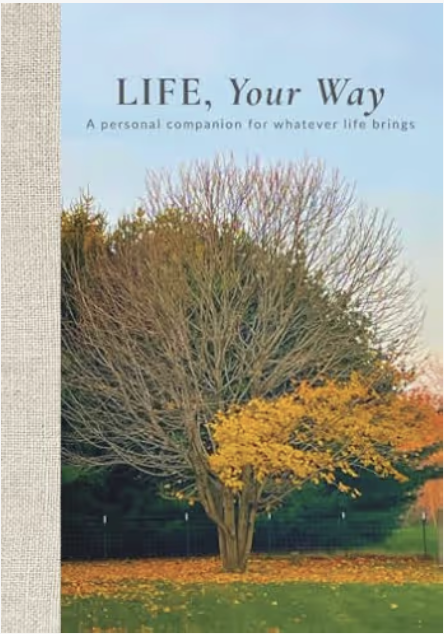
Plus, I introduce my new Life Your Way notebook and pull a Self Intelligence Principle Card that brings this week's conversation full circle.
Learn your Personal Process today so you can have the understanding needed to have a stronger relationship with yourself.
11/3/2026
Make It Make Sense Podcast Episode 14 Show Notes
A look behind the scenes for those of you who prefer to read than watch or listen. Here’s the notes I based my conversation off of as I explored the importance of the relationship we have with ourselves and how it serves as the basis to all external relationships we have as well.
1. Opening — What kind of relationship do you have with yourself?
We hear a lot about loving ourselves, accepting ourselves, putting ourselves first, and becoming the best version of ourselves.
But what about simply understanding ourselves?
Not everyone feels the need to find themselves or go on a self-discovery journey.
Yet we all experience moments when we frustrate, disappoint, question, or surprise ourselves.
We spend our entire lives with ourselves, but that doesn't necessarily mean we understand how we operate.
Something to consider: If you were in a relationship with someone who constantly criticized how you did things, questioned your decisions, or expected you to operate differently, how would that relationship feel?
Now consider how often you do those things to yourself.
2. The expectations we place on ourselves
Question: How much of your frustration with yourself comes from expecting yourself to operate differently?
We tell ourselves we should be more organized, disciplined, productive, decisive, or consistent.
We compare what comes naturally to us with what seems to come naturally to others.
We can interpret a difference in process as a personal shortcoming.
Personal Process example:
What serves someone well may be their ability to adapt, change direction, and operate with flexibility.
What may not serve them well is trying to force themselves into a rigid structure that doesn't support how they naturally work.
The issue isn't necessarily that they lack discipline. They may be measuring themselves against an approach that doesn't suit them.
Everyday reflection: What is something you regularly tell yourself you should be better at?
3. The trust we have in ourselves
Question: Do you trust the way you naturally arrive at decisions?
Some people need information before feeling comfortable making a decision.
Some need time to process privately. Others make sense of things through conversation.
Some move quickly and adjust along the way.
We can become frustrated with ourselves because we don't decide as quickly—or as cautiously—as we think we should.
Personal Process example:
What serves someone well is their inclination to gather information, consider possibilities, and make informed decisions.
What may not serve them well is continuing to research long after they have enough information to move forward.
The same natural inclination that creates confidence can also create hesitation.
The opportunity isn't necessarily to become a quicker decision-maker. It's to recognize when your process has given you what you need.
Everyday reflection: When you second-guess a decision, is it because something is genuinely missing, or because you've stopped trusting yourself?
4. The promises and responsibilities we give ourselves
Question: Are you as considerate of yourself as you are of the commitments you make to others?
We often feel good about ourselves when we follow through.
But we can also take on too much, set unrealistic expectations, or feel guilty when we don't accomplish everything.
Sometimes the way we define being responsible actually works against us.
Personal Process example:
What serves someone well is their strong sense of ownership and commitment. They follow through and take their responsibilities seriously.
What may not serve them well is continuing to carry responsibilities simply because they said they would, even when circumstances have changed.
Bring this back to the relationship with ourselves:
Do you give yourself permission to reconsider a commitment?
Can you recognize when something is no longer serving you without interpreting that as failure?
Are you someone you can count on to honor your own needs, not just your obligations?
5. The way we treat ourselves when things don't go as planned
Question: What happens in your relationship with yourself when you don't meet your own expectations?
Do you become critical?
Do you immediately look for what went wrong?
Do you feel disappointed in yourself?
Do you become motivated to improve, or does the disappointment make it harder to move forward?
Personal Process example:
Someone may naturally notice problems, inconsistencies, and opportunities for improvement.
What serves them well is the ability to recognize what could work better and make meaningful adjustments.
What may not serve them well is turning that same attention toward everything they believe they should be doing better.
A distinction worth exploring:
There is a difference between recognizing an opportunity to improve and constantly viewing yourself as something that needs fixing.
Your ability to notice what could be better doesn't mean what you're doing now has no value.
Everyday reflection: When something doesn't work out, do you become curious about why, or critical of yourself for letting it happen?
6. Understanding what you need versus what you think you should need
Question: Do you recognize what supports you, or do you expect yourself to need what works for everyone else?
Some people need quiet to process. Others need conversation.
Some need structure to feel grounded. Others need room to move.
Some need a sense of purpose to sustain their effort. Others find satisfaction in completion and accomplishment.
We may recognize what works for us but dismiss it because it doesn't look like what we're supposed to do.
Everyday examples:
You may think you should be able to sit quietly and figure something out, when talking it through is what actually brings clarity.
You may think you should be able to follow a daily routine, when having choices is what keeps you engaged.
You may think you should be motivated by reaching a goal, when the meaning behind the goal is what actually matters to you.
Something to consider: How often do you disregard what you need because you think you shouldn't need it?
7. Accepting yourself doesn't mean excusing yourself
This is an important distinction in your work.
Understanding why something comes naturally doesn't mean it will always serve you well.
Recognizing your process doesn't mean you can't make adjustments.
Accepting how you operate doesn't mean every behavior or decision is beneficial.
But understanding gives you a different starting point than criticism.
For example, if you know you naturally gather a lot of information, you can recognize when it's time to stop researching and decide.
If you know you naturally take on responsibility, you can recognize when you're carrying too much.
If you know you naturally notice what could be improved, you can recognize when you're becoming unnecessarily critical of yourself.
The goal isn't to eliminate these natural inclinations. It's to become more aware of when they serve you well and when they may not.
8. Closing — Becoming someone you understand
We often think about improving our relationship with ourselves in terms of loving ourselves more, prioritizing ourselves, or feeling better about ourselves.
Those things can matter.
But perhaps another part of having a good relationship with yourself is simply making sense of how you operate.
Understanding why certain things energize you and others drain you.
Why some decisions are easy and others take time.
Why certain expectations motivate you while others create frustration.
Why something that usually serves you well can sometimes work against you.
And recognizing that you don't necessarily need to become someone different to experience yourself differently.
Closing thought:
"The relationship you have with yourself isn't just about how you feel about who you are. It's also about how well you understand how you operate, how you treat yourself when things don't go as expected, and whether you're allowing what naturally serves you well to actually serve you."
Final listener question: If you understood yourself a little better, what might you stop being so hard on yourself about?
Your Next Big Thing - Reinventing and Finding Your Why
11/2/2026
I recently had the pleasure of guesting the The Next Big Thing Podcast - A for Gen X with Tim Nichols, Chad Everhart and Rob Powell. Learn more about the hosts and watch previous episodes here https://yournbt.com
11/1/2026
People Can’t Make You Feel A Certain Way
It’s funny how we can learn things and have certain messages stick with us but not know where they originated from. I just discovered Brian Tracy today and was surprised to hear him explain something that has impacted me so strongly in my own life that I now share it with others.
I hope you find this to be as valuable as I have.
11/1/2026
Book of the Month
A Personal Companion for Whatever Life Brings
Not quite a planner. Not quite a journal. Just a space to make your own.
Some days you have a lot on your mind. Other days, an idea, a memory, a question, or a passing thought is worth capturing.
LIFE, Your Way is a personal companion designed to give you space for all of it, without expectations, instructions, or a particular way you're supposed to use it.
Inside, you'll find a thoughtful mix of open writing spaces, lined and dotted pages, lists, and creative layouts, along with original nature photography and occasional perspectives and questions that invite you to see things a little differently.
A place for:
Thoughts, reflections, and realizations
Ideas, possibilities, and things to figure out
Plans, lists, and everyday reminders
Memories and moments worth keeping
Discovering what serves you well and what may not
Whatever else life brings your way
Unlike traditional guided journals, there's no daily commitment, no sequence to follow, and no expectation to fill every page.
Start anywhere. Skip anything. Come back whenever you like.
Created by Elle Hart, founder of Feel Empowered Every Day, this journal reflects a simple philosophy: we each have our own way of thinking, acting, relating, and experiencing life. Understanding and appreciating those differences can make life a little lighter.